

Fungal Infections: Causes, Symptoms & Treatment
Fungal infections, also known as mycoses, are caused by fungi that invade the skin, nails, hair, or internal organs. Fungi are microorganisms that thrive in warm, moist environments and can affect anyone, though those with weakened immune systems are more at risk.
Types of Fungal Infections
1. Superficial Fungal Infections (Affecting Skin, Nails & Hair)
- Athlete’s Foot (Tinea Pedis) – Fungal infection of the feet causing itching, peeling, and redness.
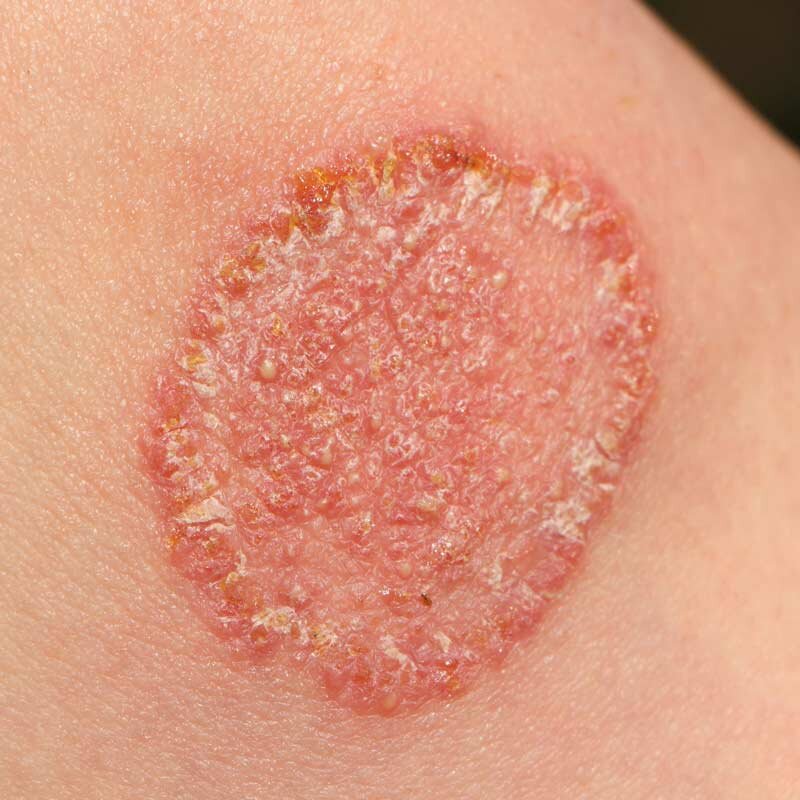
- Ringworm (Tinea Corporis) – A red, circular rash that can appear on the body, scalp, or groin.
- Jock Itch (Tinea Cruris) – A fungal infection in the groin area causing itching and rash.
- Fungal Nail Infection (Onychomycosis) – Thickened, discolored nails caused by fungi.
- Yeast Infections (Candidiasis) – Caused by Candida species, affecting the skin, mouth (oral thrush), or genital area.
2. Systemic (Internal) Fungal Infections
- Candidiasis (Invasive) – Can affect internal organs in immunocompromised individuals.
- Aspergillosis – Caused by the Aspergillus fungus, affecting the lungs and sinuses.
- Histoplasmosis & Cryptococcosis – Fungal infections that can affect the lungs and spread to other organs, often seen in immunosuppressed individuals.
Causes & Risk Factors
- Poor hygiene and excessive sweating
- Walking barefoot in public showers or pools
- Weakened immune system (due to conditions like diabetes, HIV, or cancer treatment)
- Use of antibiotics or steroids, which can disrupt normal microbial balance
- Tight, damp clothing and humid environments
Symptoms
- Itching, burning, or irritation
- Redness, rash, or scaling
- Cracked or peeling skin
- Thickened, discolored nails
- White patches in the mouth (oral thrush)
Treatment Options
- Topical Antifungals – Creams, ointments, or powders (e.g., clotrimazole, terbinafine).
- Oral Antifungals – Prescribed for severe infections (e.g., fluconazole, itraconazole).
- Good Hygiene Practices – Keeping affected areas dry and clean.
- Lifestyle Changes – Wearing breathable fabrics and avoiding prolonged moisture exposure.
Prevention Tips
- Keep skin dry and clean, especially in folds and between toes.
- Avoid sharing personal items (e.g., towels, socks, shoes).
- Wear sandals in communal showers and locker rooms.
- Use antifungal powders or sprays if prone to infections.
CLINK ON VIDEO BUTTON